-
Sustainability Becomes the Core Driving Force
Sustainability remains the top priority of the global glass bottle industry's development. Governments of over 20 countries have introduced carbon footprint labeling regulations for glass containers, forcing enterprises to optimize their production processes. For instance, Verallia, the world's third-largest food and beverage glass packaging producer, has launched a strategy to reduce CO₂ emissions by 46% by 2030 compared with 2019 levels and aims to achieve carbon neutrality by 2050. Meanwhile, the use of recycled glass has become a widespread practice in the industry. It is known that adding just 10% recycled glass can cut energy consumption by about 3% and carbon emissions by approximately 5%. China's "14th Five-Year Plan" for circular economy clearly requires the glass recycling rate to reach 95% by 2025, and the revised EU Single-Use Plastics Directive is also accelerating the process of glass replacing plastics.
-
Booming Demand in Segmented High-End Markets
The market demand for glass bottles shows a trend of structural differentiation. The growth rate of demand for glass bottles used in carbonated drinks and beer packaging has slowed down to 3%-4%. In contrast, high-end cosmetics glass bottles and pharmaceutical neutral borosilicate glass maintain a high growth rate of over 12%. Driven by the surging demand for vaccines and biological agents, the pharmaceutical glass sector has an annual compound growth rate of 8.5%. The Asia-Pacific region contributes 60% of the global demand growth, with India and Southeast Asian countries emerging as new growth engines. In the global market, the demand for glass bottles in the food, beverage, pharmaceutical and cosmetics sectors is strong, as glass' impermeability and non-porous properties can ensure the safety and freshness of products and avoid contamination.
-
Continuous Innovation in Production and Packaging Technology
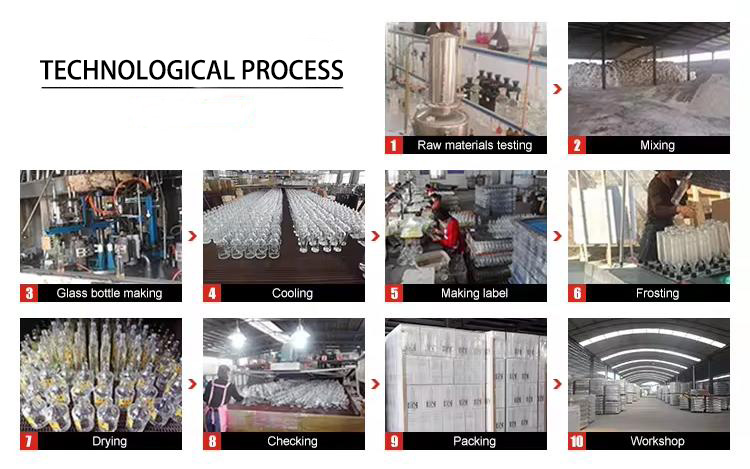
The industry is accelerating its upgrade towards lightweight, intelligence and specialization. The popularity of electric melting furnace technology has increased by 25 percentage points compared with 2020, and hydrogen-fired furnace pilot projects are advancing simultaneously in Germany and China. The coverage rate of digital factories has exceeded 30%, and AI quality inspection systems have reduced the product defect rate to below 0.02%. In terms of packaging design, technologies such as embossing and artistic finishing are enhancing the attractiveness of glass bottles. Moreover, smart and interactive designs are gradually becoming mainstream. Many enterprises are adding QR codes, NFC tags and other elements to glass containers, especially in the cosmetics field, to share product information and enhance the consumer experience. Special glass types like Miron violet glass are also widely used in essential oils and pharmaceutical products for their ability to shield contents from harmful light.
-
Adjustments in the Supply-Side Competition Pattern
The competition pattern on the supply side is restructuring at an accelerated pace. The market share of the world's top five glass container enterprises has risen to 48%. Leading Chinese enterprises have entered the high-end EU supply chain through overseas mergers and acquisitions, while regional small and medium-sized manufacturers are focusing on niche markets such as laboratory glassware and artistic glass utensils. Global production capacity expansion is concentrated in Southeast Asia and Eastern Europe, and the world's new glass furnace capacity is expected to reach 1.2 million tons in 2025. For example, AR Glass invested over $230 million to build a second furnace in the United States, which is expected to produce more than 350 million sustainable glass containers annually after starting operation in the second quarter of 2025. However, fluctuations in energy costs have led some European factories to reduce production. Additionally, the 18% year-on-year increase in the prices of upstream raw materials such as soda ash and quartz sand in 2025 has prompted enterprises to build their own raw material bases to control costs.
-
New Changes in International Trade Dynamics
The international trade of glass bottles is showing new characteristics. The United States maintains a 12.5% anti-dumping duty on Chinese daily-use glass products, which has prompted Chinese enterprises to redirect their exports to Mexico. The EU has imposed a 7% tariff on Chinese pharmaceutical glass tubes, but the export growth rate of prefilled syringe glass tubes still remains at 15%. Under the RCEP framework, ASEAN countries have generally reduced tariffs on imported Chinese glass containers by 3%-5%, resulting in a sharp 40% increase in China's export volume to Vietnam in 2025. These changes in trade policies are constantly affecting the market layout and export strategies of glass bottle enterprises around the world.